
01
Checkpoint 01
Friction coefficient & temperature fade (SAE J2522 / J661)
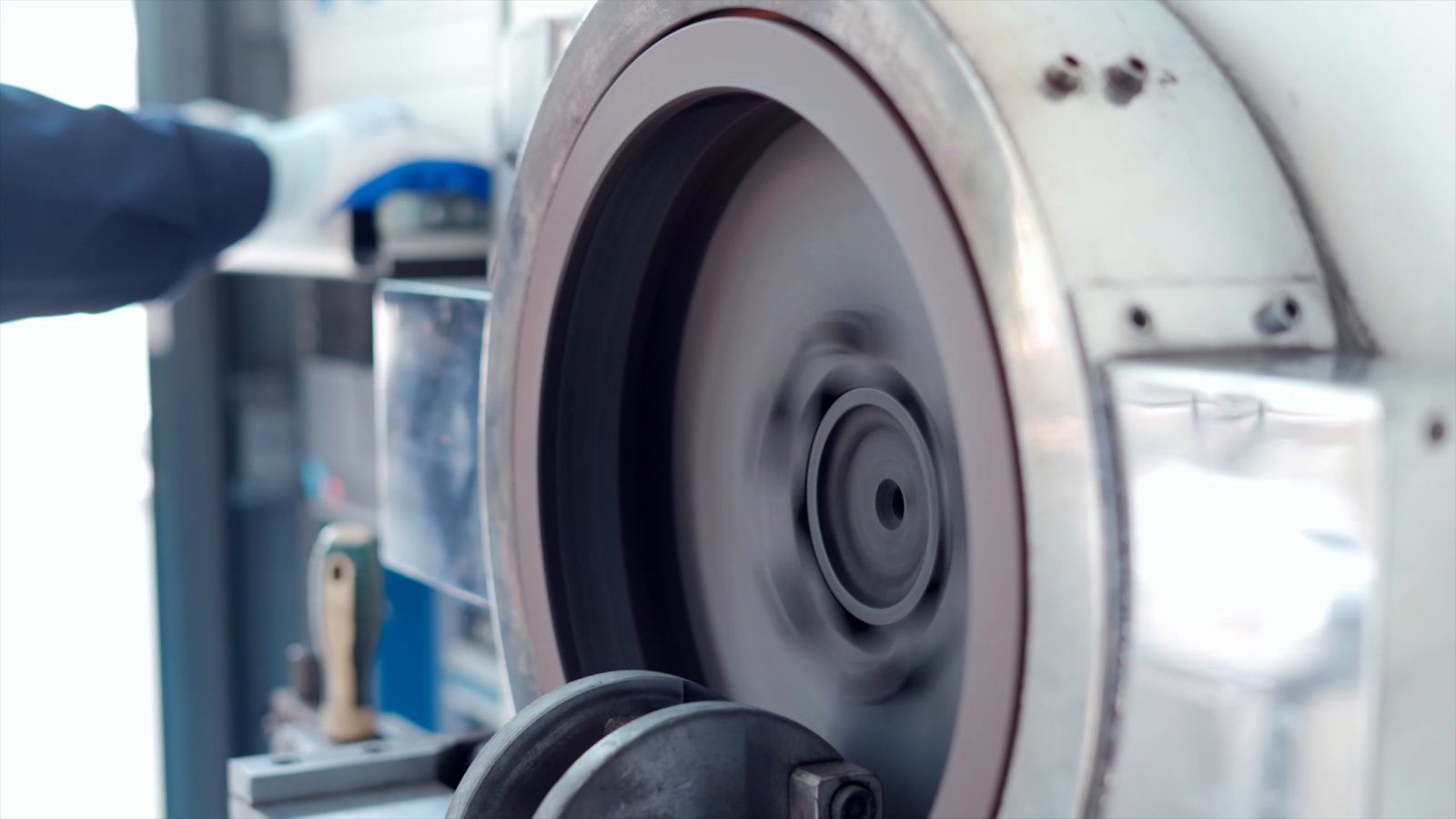
Dynamometer and Chase testing evaluate friction coefficient stability across cold, pre-burnish, high-speed snub, and severe thermal fade cycles up to 650°C.
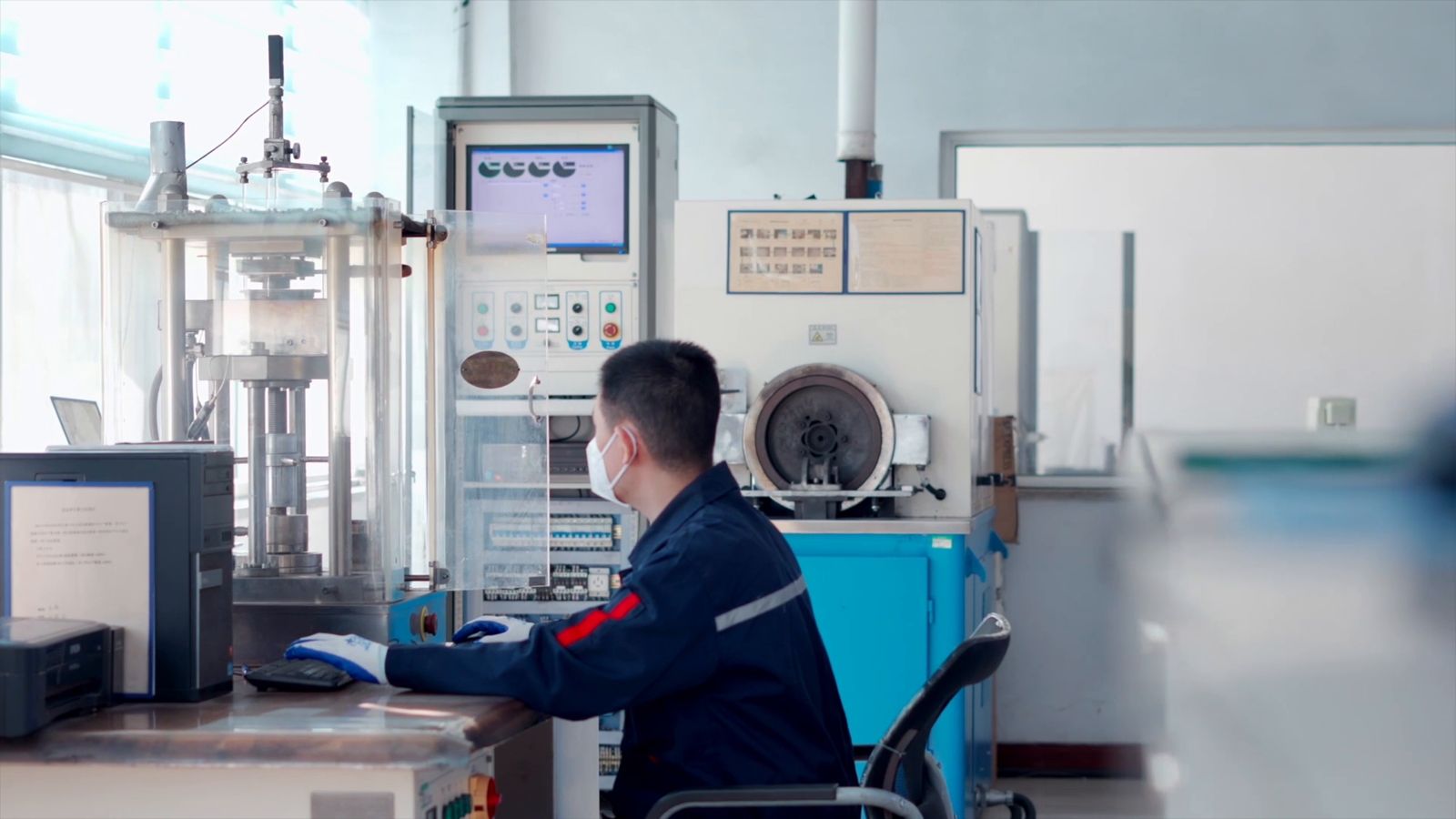
Laboratory capability
In-house testing facilities and accredited laboratory procedures support formulation evaluation, physical property testing, and performance validation according to international SAE, ISO, and ECE standards.
Explore factory processProcess Control
Each stage connects factory activity with the control point a professional buyer needs to verify.
Dynamometer and Chase testing evaluate friction coefficient stability across cold, pre-burnish, high-speed snub, and severe thermal fade cycles up to 650°C.
Hydraulic shear testing verifies bond strength between friction compound and steel backing plate, ensuring resistance against delamination under extreme mechanical load.
Acoustic testing evaluates high-frequency brake squeal, judder, and vibration damping across varying temperature, humidity, and brake pressure spectrums.
Continuous testing of pad compressibility, Rockwell hardness, specific gravity density, thermal expansion, and loss-on-ignition (LOI) to guarantee batch-to-batch consistency.
Upon project sign-off, customers receive comprehensive test data packages, friction curves, and Certificates of Analysis (COA) matching their specific part numbers.
In-House Laboratory & Testing Protocols
Every formulation and production batch undergoes strict in-house laboratory evaluation under SAE, ISO, and ECE R90 international test procedures.
Simulates real-vehicle deceleration across 100°C–650°C, verifying friction stability, high-speed sensitivity (up to 200 km/h), and thermal recovery.
Next step