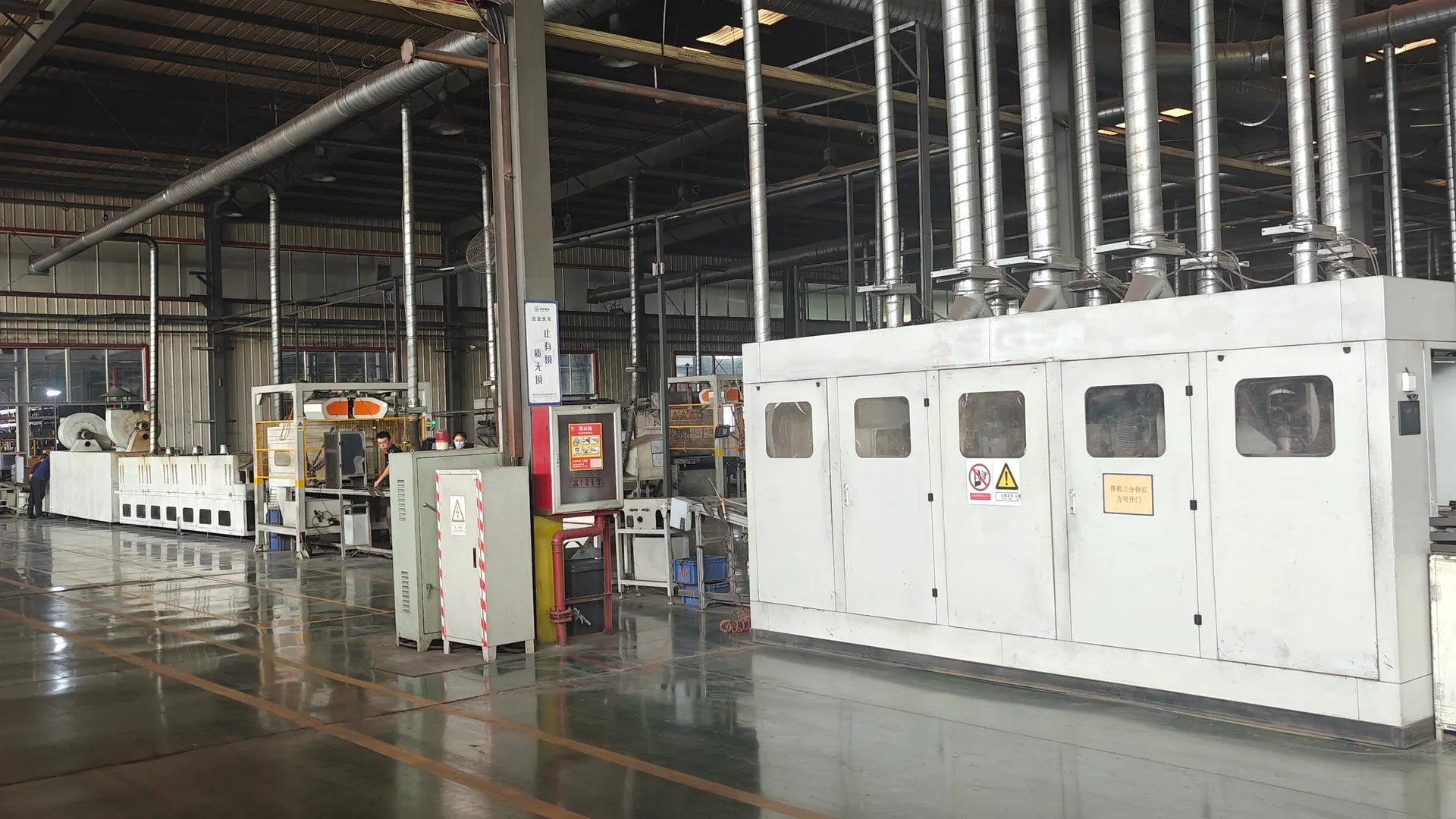
1. The Engineering Mechanics: Positive Mold vs. Flash Mold
Hot pressing polymerizes binder resins and compacts loose friction powders under intense heat and pressure.
- Positive Molding (OE Standard): Discrete individual cavity dies exert 100% of hydraulic tonnage (>450–600 bar) directly onto the friction block with zero powder overflow, ensuring identical density throughout.
- Flash Molding (Budget Method): Bulk powder leveled across open multi-cavities allows excess material to escape into overflow troughs, creating low compaction pressure and severe internal density variations.
- Microscopic Porosity: Positive molding compresses internal voids to <3.0%, while flash molding leaves 8%–15% porosity vulnerable to moisture and micro-cracking.
2. The Chemical Divide: Low-Resin vs. High-Resin Formulations
The hot pressing method determines the required binder resin content, directly impacting high-temperature thermal safety.
- High Resin Problem: Flash molding requires 15%–20% phenolic resin for low-pressure melt flow, causing severe thermal outgassing (gas fade) and glassy surface glazing above 300°C.
- Low Resin Advantage: Positive molding achieves superior compaction with only 5%–8% resin, eliminating outgassing cushions and maintaining stable friction coefficients up to 650°C+.
- Lifecycle Wear Uniformity: Positive-molded pads deliver identical pedal firmness and friction bite across their entire usable thickness.
3. Factory Audit Checklist: Verifying Positive Mold Integrity
Four inspection criteria for international buyers evaluating manufacturer hot pressing capabilities.
- Automated Positive Presses: Confirm multi-cavity presses feature multi-stage programmable decompression breathing cycles to evacuate moisture and curing gases.
- Resin Recipe Audit: Verify batch recipes strictly limit phenolic binder resins within the 5%–8% threshold.
- Specific Gravity Verification: Review routine Archimedes immersion density testing (ISO 2781) confirming bulk density > 2.65 g/cm³.
- In-Line Thermal Scorching: Ensure pressed pads pass through 650°C infrared scorching tunnels for instant out-of-the-box bedding.
| Engineering & Quality Parameter | Positive Molded Brake Pads (OE Standard) | Flash Molded Brake Pads (Budget Aftermarket) | Impact on Driving & Fleet Reliability |
|---|
| Binder Resin Percentage | Low Resin (5% – 8% by weight) | High Resin (15% – 20% by weight) | Excess resin triggers severe thermal gas fade above 300°C |
| Compaction Density Uniformity | Uniform High Density (> 2.65 g/cm³) | Inconsistent Density (2.10 – 2.40 g/cm³) | Prevents uneven taper wear and localized rotor hot-spotting |
| Porosity & Internal Micro-Voids | < 3.0% (Dense, void-free matrix) | 8.0% – 15.0% (High internal voids) | Eliminates moisture absorption and internal shear cracking |
| Shear Bond Strength (ISO 6312) | τ > 3.5 N/mm² (Superior mechanical bond) | τ ≈ 2.0 – 2.5 N/mm² (Marginal bond) | Zero risk of friction block delamination under severe stress |
| Compressibility (ISO 6310) | Consistent (1.0% – 1.6% @ 20°C) | Variable (2.5% – 4.2%, Spongy feel) | Firm, linear pedal modulation from first stop to last |
| Initial Bedding-In Period | Instant bite (In-line scorched at 650°C) | Extended burnish (300 – 500 km required) | Immediate out-of-the-box stopping power and customer safety |
Table 13: Positive Molding vs. Flash (Negative) Molding Engineering Matrix and Quality Performance Attributes.